
The body as art
I’ve seen this before

Like many, I decided against actively watching the Met Gala red carpet. Amazon union workers, Met union workers, grassroots organizers, arts and culture professionals from all industries: they all asked that I turn my attention away. I watched reality television instead.
But I am a chronically online person. The next day my feed flooded with everything I had missed. Skimming the outfits, short takes, and long form considerations the consensus seems to be that this gala prioritized power over creativity.
There’s the obvious evidence. Amazon CEO Jeff Bezos bought his and his wife’s way into soft and cultural power. In a time of high censorship, the costume institute focuses explicitly on the western body. The cost of one ticket was $100,000, more than any Met or Amazon worker makes in a year. The contrast between this and last year’s exhibit could not be clearer.
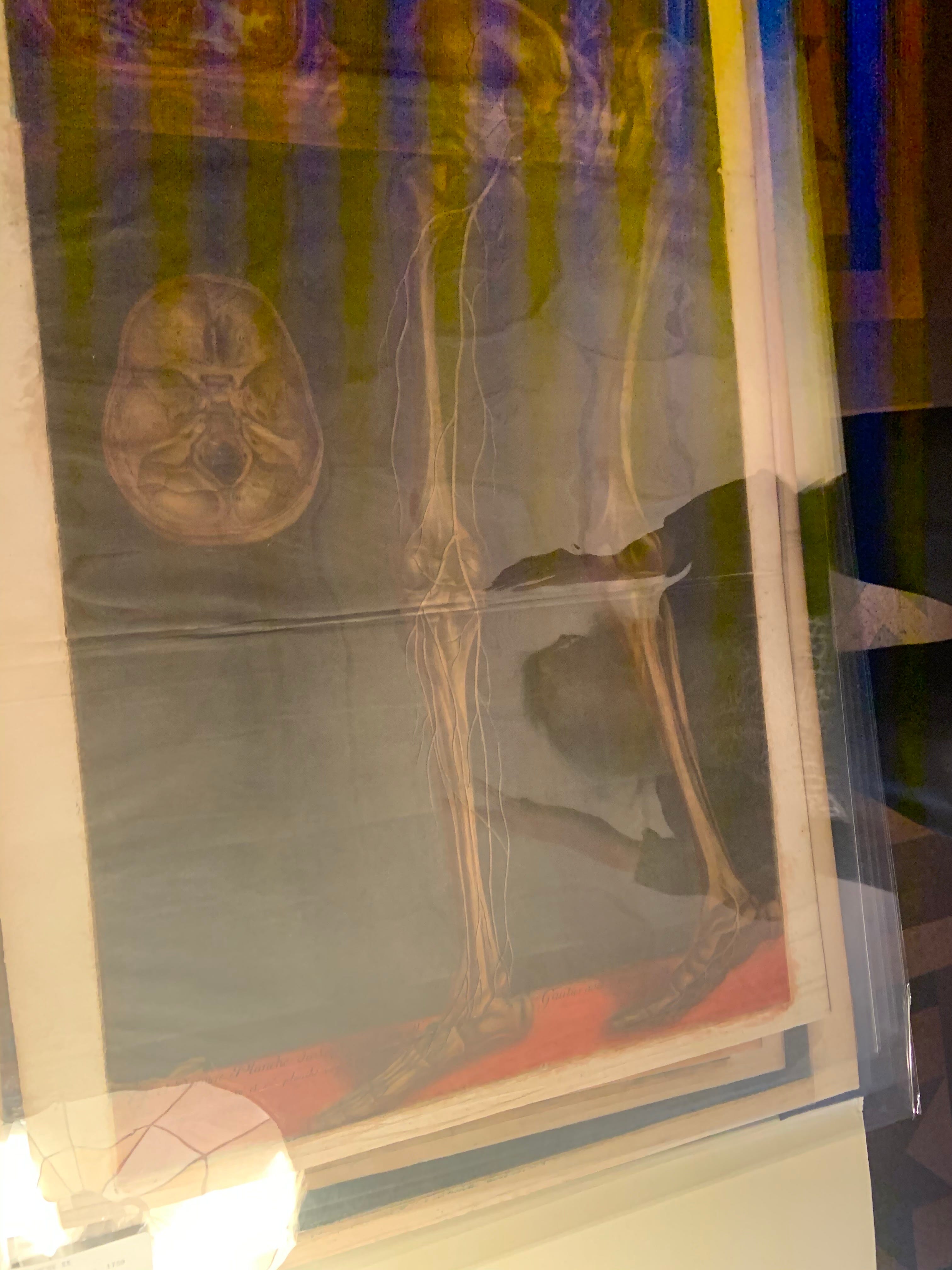
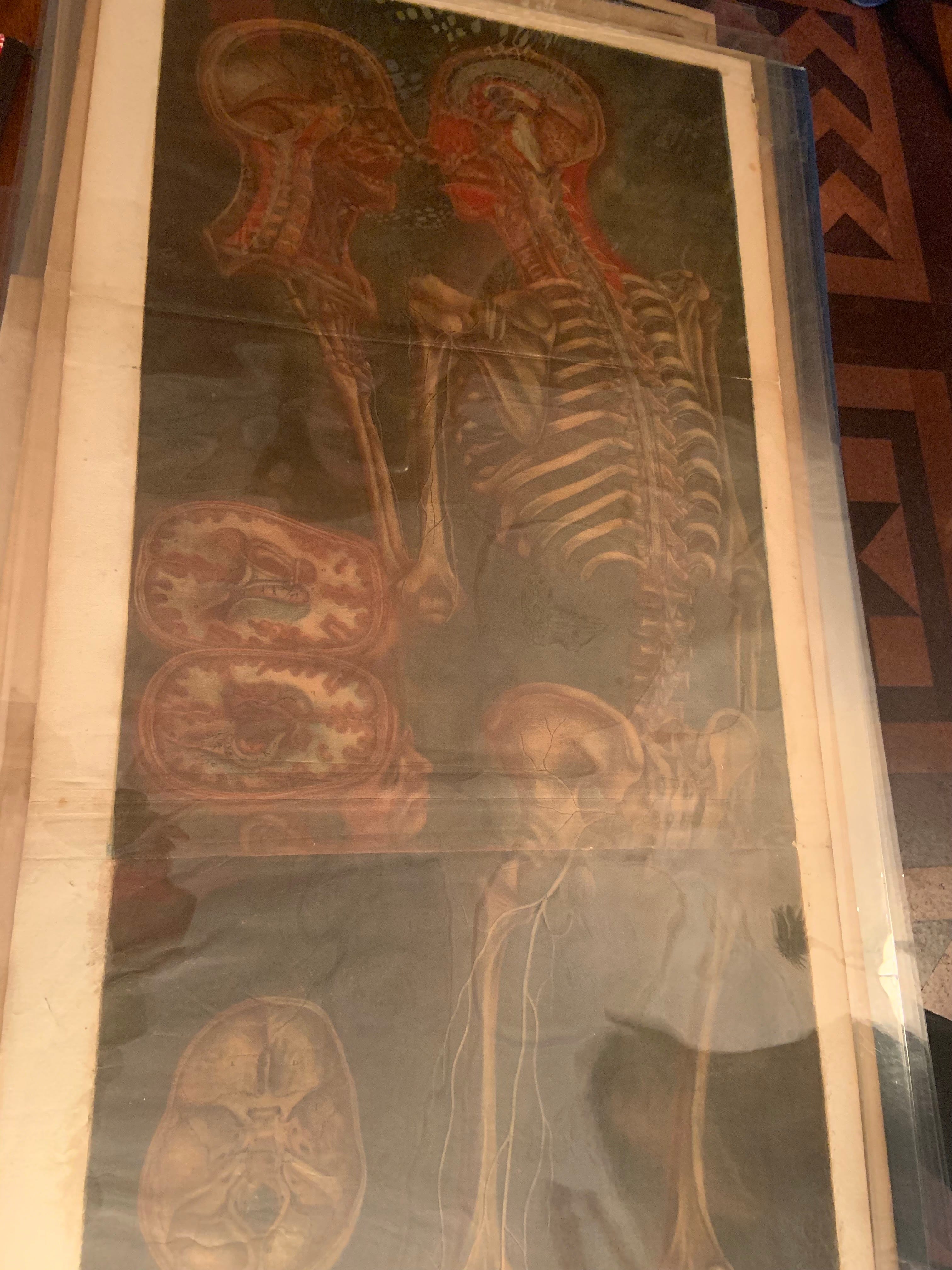
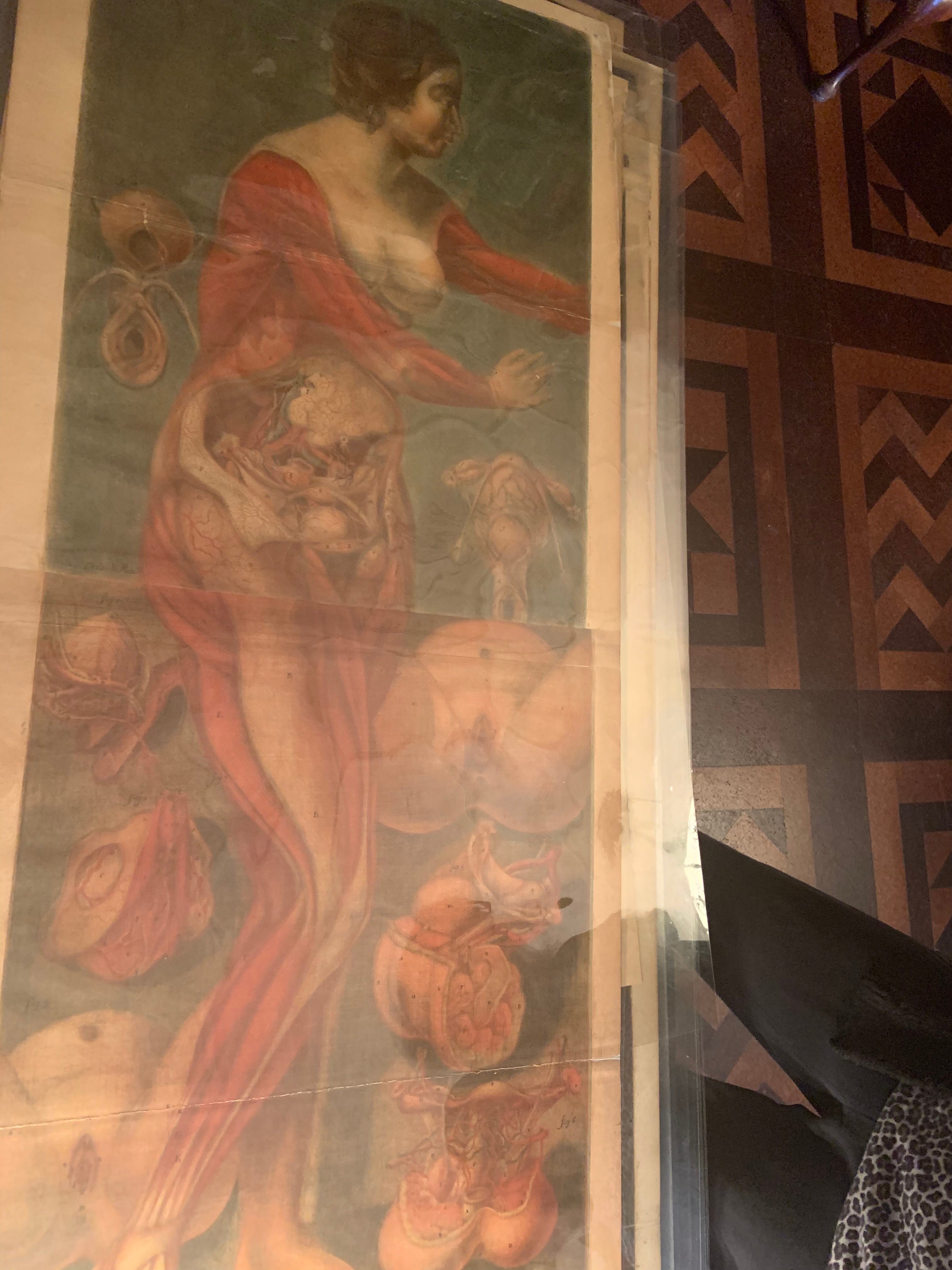
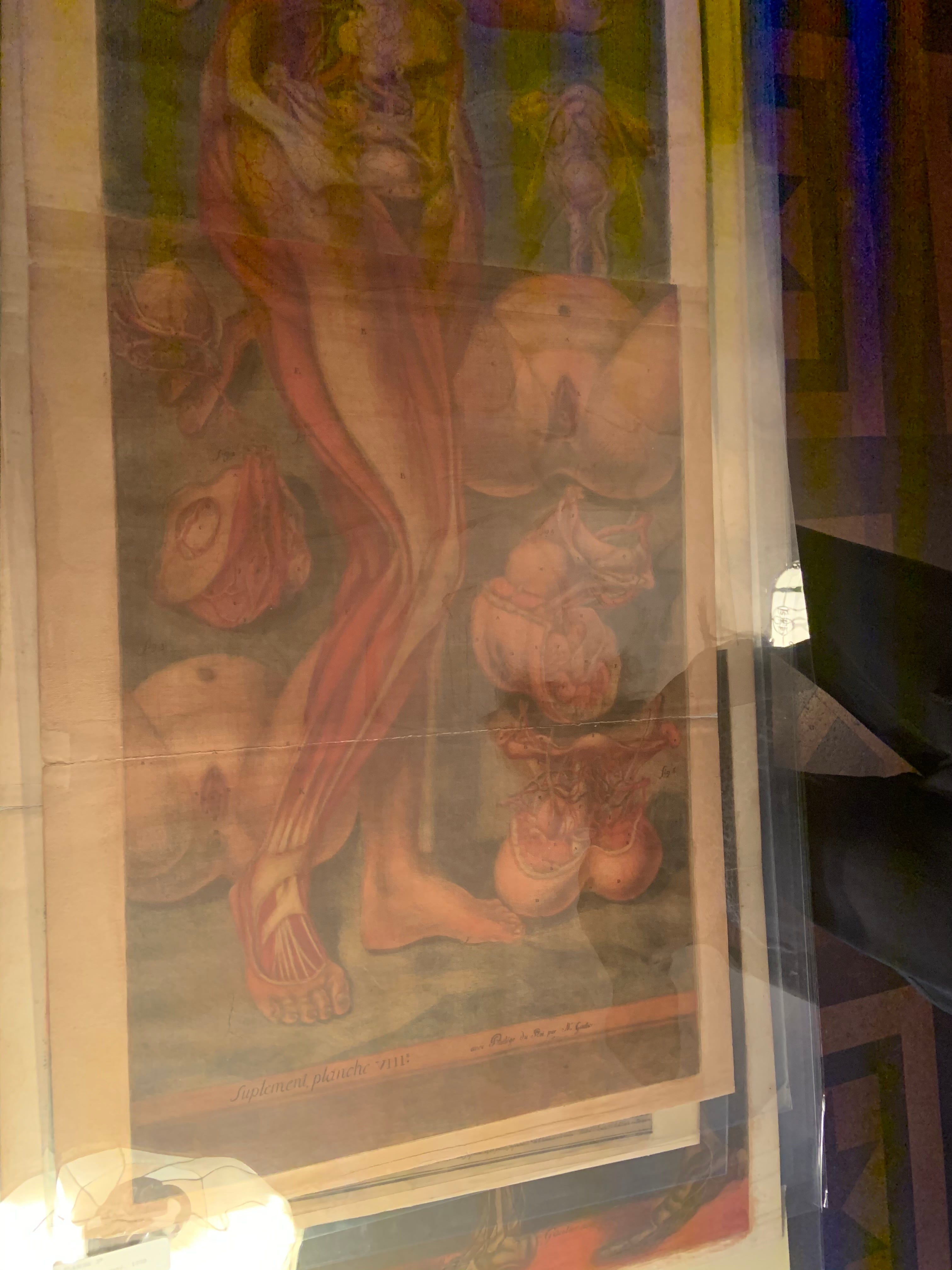
But then I saw Beyonce’s skeleton dress and I got chills. Designed by Olivier Rousteing, the dress takes inspiration from anatomical illustrations. In the 19th century these paintings and drawings were both decorative and instructional at a time when scientists were creating realistic anatomical models to use in their research. These skeletons were also a part of efforts to use the scientific method to prove the superiority of the white race.
At the Met where looted human remains and cultural artifacts are divorced from their spatial and historical heritage, it’s not hard for the symbols to create stories of their own.
In grad school, I saw anatomical illustrations at the New York Academy of Medicine archive. We saw an illustration of the female body made in the image of the Roman goddess of fertility and beauty Venus. She’s sensual and beautiful but also ready for surgery. The anatomical Venus was made to show academic prowess and also for the male gaze.
At the same time Venus Hottentot or Sarah Baartman was also on display. Her, the Carolina twins, and other Black and disabled bodies appeared as entertainment in “freak shows.” Their bodies were examined to show the power of the white race.
Seeing these symbols converge on Beyoncé felt odd. I had questions: Does she know how Black bodies were viewed during the 19th century? This statement doesn’t feel aligned with her brand. Did Beyonce for a night become the Black anatomical Venus ? Why is this symbol resurfacing right now? Is it fair for Beyonce to transform like this in my mind?
With so much emphasis in culture on bodily efficiency through protein consumption, strength training, GLP-1s, and extreme thinness, comes the flip side. Bodies outside of the ideal are fetishized, ostracized, and revoked of their rights.
I’m not saying anything new. Many critics have repeatedly said that we’re in an age where markers of power are no longer capital but the body. No one but the technocrats have capital so all we have to leverage is our bodies. But, what I’m saying is that time has felt to be moving in reverse and or in a spiral. It’s 2026 and 1856 and 1956. This period is not new but remixed.